Chapter 1 - Introduction to Anatomy and Physiology
Understanding how the body works helps integrate safe, effective, and conscious movement in yoga practice.
자세히 읽기


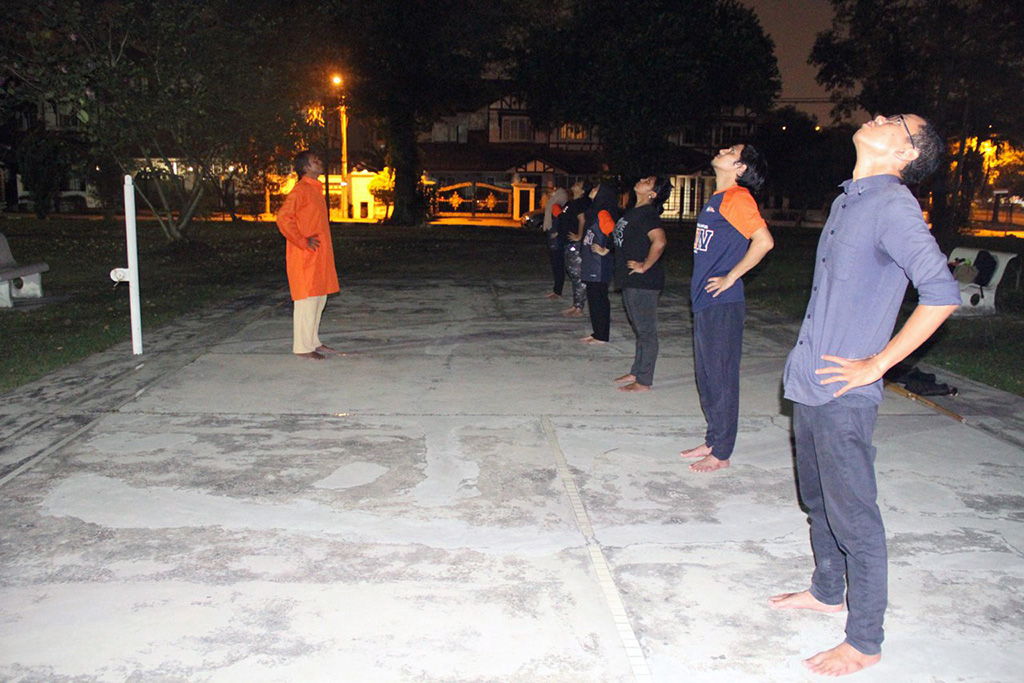

Understanding how the body works helps integrate safe, effective, and conscious movement in yoga practice.
자세히 읽기
Understanding how the body works helps integrate safe, effective, and conscious movement in yoga practice.
📘 Yoga Classes (General Training):
This chapter introduces basic human anatomy and physiology, focusing on the body’s systems relevant to movement and breath. Students will explore how muscles, joints, and organs respond to common asanas, supporting a deeper physical awareness in practice.
🎓 World Yoga Teacher Training (WYTT):
Teacher trainees will dive deeper into anatomical terminology, functions of body systems, and how yoga affects them. Emphasis is placed on integrating anatomical knowledge into cueing, posture alignment, and personalized adjustments for different body types and needs.
Explore the five senses and how balance and perception affect yoga awareness and internal focus.
자세히 읽기
Explore the five senses and how balance and perception affect yoga awareness and internal focus.
📘 Yoga Classes (General Training):
Students learn how the sensory organs interact with the nervous system and influence balance, awareness, and relaxation. The focus includes how sight, sound, and proprioception are refined through mindful practice and concentration techniques.
🎓 World Yoga Teacher Training (WYTT):
Trainees explore how sensory deprivation or enhancement affects meditation, asana stability, and mental focus. This includes applying practices that sharpen inner awareness (pratyahara) and adapting classes for students with sensory limitations.
Understand the role of skin, hair, and nails in protection, temperature regulation, and sensory interaction in yoga.
자세히 읽기
Understand the role of skin, hair, and nails in protection, temperature regulation, and sensory interaction in yoga.
📘 Yoga Classes (General Training):
This chapter explains how the skin acts as a sensory and protective barrier during movement and exposure in practice. Topics include sweating, touch sensitivity, and skin care related to yoga environments.
🎓 World Yoga Teacher Training (WYTT):
Trainees study skin health in yoga settings, including the effects of intense yoga practices, hygiene, infections, and injury. Practical teaching includes maintaining mat cleanliness, preventing fungal infections, and respecting student comfort through physical touch or adjustments.
Learn how bones and joints provide structure, protect organs, and influence movement and alignment in yoga.
자세히 읽기
Learn how bones and joints provide structure, protect organs, and influence movement and alignment in yoga.
📘 Yoga Classes (General Training):
This chapter introduces the basic structure of the human skeleton, focusing on key bones and joints used in yoga. Students will understand joint mobility and stability in common poses like Downward Dog, Warrior, and seated twists.
🎓 World Yoga Teacher Training (WYTT):
Teacher trainees examine skeletal variation, range of motion, and joint alignment for safe and inclusive instruction. Topics include bone compression vs. tension, hypermobility, and adjusting poses based on skeletal differences in hips, shoulders, and spine.
Explore how muscles contract, stretch, and support movement; and the role of fascia and tendons in yoga practice.
자세히 읽기
Explore how muscles contract, stretch, and support movement; and the role of fascia and tendons in yoga practice.
📘 Yoga Classes (General Training):
Students will study major muscle groups used in asanas, understanding the difference between stretching and strengthening. Emphasis is placed on mindful engagement of muscles to prevent strain and enhance posture control.
🎓 World Yoga Teacher Training (WYTT):
Trainees learn functional anatomy, muscle actions, and how to cue specific muscle engagement in class. The role of connective tissues like fascia is explored, along with myofascial release, muscle imbalance, and injury prevention strategies.
Understand the cellular building blocks and tissue types that support structure, repair, and function in the yoga body.
자세히 읽기
Understand the cellular building blocks and tissue types that support structure, repair, and function in the yoga body.
📘 Yoga Classes (General Training):
This chapter introduces the four main tissue types—epithelial, connective, muscular, and nervous—and their relevance to yoga. Students explore how these tissues respond to stretching, strengthening, and relaxation practices.
🎓 World Yoga Teacher Training (WYTT):
Trainees gain deeper insight into cell regeneration, tissue repair, and inflammation. The discussion includes how lifestyle, diet, and yoga practices can support cellular health and tissue healing, especially for injury recovery and aging populations.
Discover how the brain, spinal cord, and nerves regulate movement, breath, and relaxation during yoga practice.
자세히 읽기
Discover how the brain, spinal cord, and nerves regulate movement, breath, and relaxation during yoga practice.
📘 Yoga Classes (General Training):
Students are introduced to the central and peripheral nervous systems, understanding how yoga influences stress response, reflexes, and motor control. Simple practices like breath awareness and slow movement demonstrate nervous system regulation in real time.
🎓 World Yoga Teacher Training (WYTT):
Trainees explore sympathetic vs. parasympathetic systems, neuroplasticity, and how yoga practices affect vagal tone and relaxation response. Applied topics include sequencing for nervous system balance and modifying practices for anxiety or trauma sensitivity.
Learn how glands and hormones interact with yoga to influence energy, metabolism, and emotional well-being.
자세히 읽기
Learn how glands and hormones interact with yoga to influence energy, metabolism, and emotional well-being.
📘 Yoga Classes (General Training):
This chapter explains the role of glands like the thyroid, adrenal, and pituitary in maintaining energy and mood. Students learn how yoga supports hormonal balance through consistent movement, breathwork, and rest.
🎓 World Yoga Teacher Training (WYTT):
Trainees delve into hormone regulation, the effects of stress on the endocrine system, and how yoga may support issues like adrenal fatigue, thyroid imbalance, or menstrual health. Practices are discussed for hormonal cycles and teaching with sensitivity.
Understand the heart and blood vessels’ role in circulation, endurance, and energetic flow through yoga movement and breath.
자세히 읽기
Understand the heart and blood vessels’ role in circulation, endurance, and energetic flow through yoga movement and breath.
📘 Yoga Classes (General Training):
Students learn how yoga improves blood flow, lowers blood pressure, and supports heart health. Simple sequences and breath practices are introduced to enhance cardiovascular endurance and relaxation.
🎓 World Yoga Teacher Training (WYTT):
Trainees explore how to design heart-healthy classes, adapt intensity for different fitness levels, and understand the role of inversions, bandhas, and pranayama in circulation. Precautions for students with hypertension or heart conditions are covered.
Explore how yoga supports detoxification, immune strength, and lymph flow for overall resilience and vitality.
자세히 읽기
Explore how yoga supports detoxification, immune strength, and lymph flow for overall resilience and vitality.
📘 Yoga Classes (General Training):
Students learn the function of lymph nodes, fluid circulation, and immune defense. Gentle movements, twists, and breathwork are introduced to stimulate lymphatic flow and support the body’s natural cleansing processes.
🎓 World Yoga Teacher Training (WYTT):
Trainees examine the relationship between the immune system, chronic stress, and inflammation. Focus is given to designing sequences that support lymphatic drainage, immunity during seasonal changes, and recovery from illness or burnout through restorative practices.
Understand how lungs and breathing muscles work, and how pranayama optimizes oxygenation, energy, and calm.
자세히 읽기
Understand how lungs and breathing muscles work, and how pranayama optimizes oxygenation, energy, and calm.
📘 Yoga Classes (General Training):
This chapter covers lung structure, diaphragm function, and how breath links to body and mind. Basic pranayama techniques such as diaphragmatic breathing and alternate nostril breathing are taught for relaxation and focus.
🎓 World Yoga Teacher Training (WYTT):
Trainees study the physiology of respiration, gas exchange, and how different pranayama techniques affect nervous system states. Advanced training includes breath ratios, contraindications, and therapeutic use of breath for anxiety, fatigue, and respiratory conditions.
Learn how digestion works and how yoga postures and breathing support healthy gut function and elimination.
자세히 읽기
Learn how digestion works and how yoga postures and breathing support healthy gut function and elimination.
📘 Yoga Classes (General Training):
Students are introduced to digestive anatomy, including the stomach, intestines, and liver. They explore how forward bends, twists, and core engagement improve digestion and reduce bloating or sluggishness.
🎓 World Yoga Teacher Training (WYTT):
Trainees analyze the gut-brain connection, digestive disorders, and how yoga can help manage conditions like IBS or indigestion. Teaching methods include sequencing for digestive support, mindful eating principles, and abdominal breathing techniques.
Discover how kidneys and urinary tract maintain fluid balance, and how yoga supports detoxification and healthy elimination.
자세히 읽기
Discover how kidneys and urinary tract maintain fluid balance, and how yoga supports detoxification and healthy elimination.
📘 Yoga Classes (General Training):
Students explore basic urinary anatomy—kidneys, ureters, bladder, and urethra—and how hydration and mindful breathing aid waste removal. Gentle forward folds, twists, and core engagement are practiced to massage abdominal organs and encourage optimal elimination.
🎓 World Yoga Teacher Training (WYTT):
Trainees examine renal physiology, electrolyte balance, and the role of prana in fluid regulation. Coursework covers sequencing for kidney vitality, the effects of bandhas on pelvic organs, and adapting practices for students with urinary conditions or incontinence.
Understand reproductive anatomy, hormones, and yoga practices that nurture pelvic health, fertility, and balanced sexual energy.
자세히 읽기
Understand reproductive anatomy, hormones, and yoga practices that nurture pelvic health, fertility, and balanced sexual energy.
📘 Yoga Classes (General Training):
This chapter outlines male and female reproductive structures, emphasizing pelvic floor awareness and hormone-friendly postures. Students learn gentle hip openers and breathing exercises to support menstrual comfort, sexual well-being, and emotional balance.
🎓 World Yoga Teacher Training (WYTT):
Trainees delve into endocrine interactions, fertility yoga, and prenatal/postnatal adaptations. Topics include sequencing across menstrual phases, contraindications during pregnancy, and teaching techniques that respect privacy, cultural sensitivity, and gender diversity.
Learn principles of alignment, load, and mindfulness to prevent injuries and create safe, sustainable yoga practice.
자세히 읽기
Learn principles of alignment, load, and mindfulness to prevent injuries and create safe, sustainable yoga practice.
📘 Yoga Classes (General Training):
Students gain foundational alignment cues, the importance of warming up, and listening to bodily feedback. Practical sessions cover joint protection, safe transitions, and using props to honor individual flexibility and strength.
🎓 World Yoga Teacher Training (WYTT):
Trainees study biomechanics, common yoga injuries, and evidence-based risk factors. Emphasis is placed on intelligent sequencing, hands‑on adjustment ethics, legal considerations, and crafting individualized modifications for diverse bodies and abilities.
Understand how illness alters normal body function and how yoga can safely support healing and recovery.
자세히 읽기
Understand how illness alters normal body function and how yoga can safely support healing and recovery.
📘 Yoga Classes (General Training):
Students gain awareness of common conditions like arthritis, diabetes, and asthma, and how to modify their own practice safely. The focus is on using gentle movement, breath, and rest to promote resilience and reduce symptom aggravation.
🎓 World Yoga Teacher Training (WYTT):
Trainees study how disease processes impact anatomy and physiology, including contraindications in class. Modules cover trauma-informed teaching, working with chronic illness, and integrating yoga into wellness plans alongside medical or therapeutic care.
Connect theoretical knowledge with practical movement to refine alignment, deepen awareness, and teach with precision.
자세히 읽기
Connect theoretical knowledge with practical movement to refine alignment, deepen awareness, and teach with precision.
📘 Yoga Classes (General Training):
This chapter links key anatomical concepts to common yoga poses. Students learn how body structure influences practice and how to adapt poses based on personal strengths, limitations, and body proportions.
🎓 World Yoga Teacher Training (WYTT):
Trainees develop the ability to assess posture alignment and movement patterns. Focus areas include anatomical cueing, intelligent class design, and assisting students through observation, hands-on options, and verbal instructions.
Explore how the body generates energy, recovers, and adapts to physical effort through yoga practice.
자세히 읽기
Explore how the body generates energy, recovers, and adapts to physical effort through yoga practice.
📘 Yoga Classes (General Training):
Students are introduced to energy systems (aerobic and anaerobic), muscle recovery, and fatigue. They explore how yoga supports endurance, flexibility, and balanced effort with rest through integrated asana and breathwork.
🎓 World Yoga Teacher Training (WYTT):
Trainees examine cardiovascular load, muscular adaptation, and nervous system integration in response to yoga as exercise. Topics include sustainable intensity, progressive overload in yoga, and customizing classes for athletic or sedentary students.
Notes
자세히 읽기
Yoga Anatomy and Physiology is the study of the body's structure and how it functions during yoga practice. It explores the musculoskeletal, nervous, and respiratory systems, helping practitioners understand how each posture, breath technique, and movement impacts the body. Knowledge of anatomy and physiology in yoga enhances awareness of alignment, prevents injury, and promotes safe practice by recognizing individual body limitations. Understanding how the body responds to different yoga techniques also deepens the practice, allowing for greater effectiveness in achieving physical, mental, and emotional balance.
BACK TO PAGE